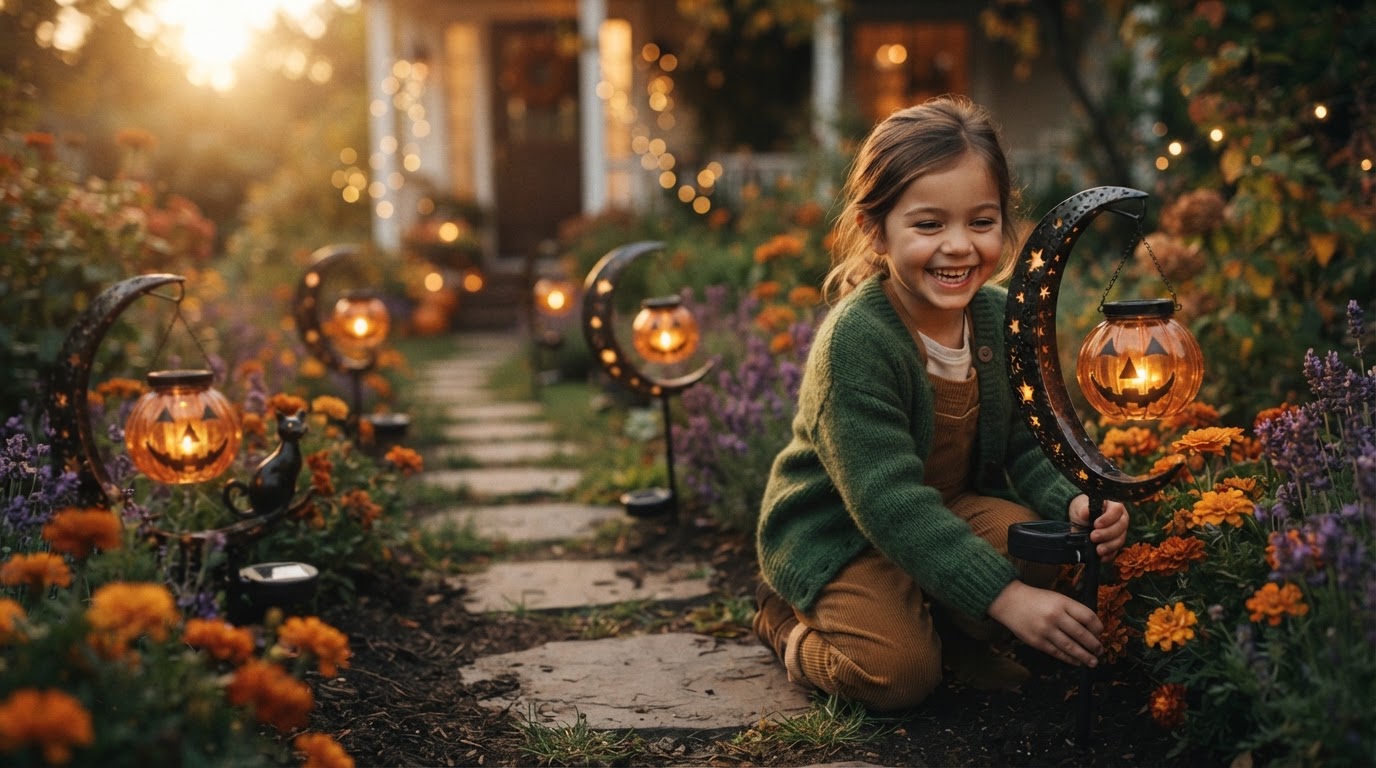
Five Technical Steps for Solar Meow Decor Light Yard Setup
 Maya ChenContributing Editor
September 6, 2026 — The recent shift toward decorative exterior lighting has seen the Solar Meow Decor Light emerge as a specific solution for homeowners seeking thematic consistency without the electrical overhead of wired systems.
The conventional wisdom says that any solar fixture can be placed anywhere with southern exposure, but the reality of lumen maintenance and battery cycling suggests a more rigorous approach to installation is required. While many consumers prioritize the aesthetic appeal of feline-shaped silhouettes, performance hinges on the conversion efficiency of the photovoltaic cells. According to reports from the International Dark-Sky Association, the effectiveness of outdoor lighting is measured not just by brightness, but by the reduction of light spill and the optimization of active illumination hours during peak darkness. Proper placement of the Solar Meow Decor Light ensures these fixtures contribute to a cohesive outdoor solar cat lights for yard strategy rather than creating disjointed glare.
The 5-Step Positioning Framework
Photo by Marcelo Chagas on Pexels
Successful deployment of the Solar Meow Decor Light requires adhering to a specific sequence that accounts for seasonal solar declination and local obstructions. First, the site must be surveyed during the solar noon to identify micro-shadows from foliage that may reduce charging efficiency by up to 40%. Second, the ground stake must be driven into soil with a compaction rate that prevents leaning, as a five-degree tilt can significantly alter the light’s throw pattern. Third, the internal Ni-MH battery requires an initial 24-hour cycle of uninterrupted charging before the first discharge to set the chemical memory. Fourth, the light sensor must be calibrated by ensuring it is not within the throw distance of existing streetlights or porch lamps, which can trigger a false-off state. Finally, the placement should follow the principles of integrating Solar Meow Decor Light into modern landscapes to ensure the silhouettes are visible against darker backdrops. Run the math: a fixture receiving six hours of direct sunlight will typically provide eight to ten hours of illumination, provided the IP65-rated housing remains free of dust and debris. If the solar panel is obscured by even a thin layer of grime, the voltage output drops, leading to premature battery failure. This technical rigor is what separates a functional outdoor solar cat lights for yard installation from a temporary seasonal ornament.
Expert tip: Use a digital lux meter to verify that the chosen location for your Solar Meow Decor Light receives at least 1,000 lux during peak daylight hours to ensure the internal battery reaches a full state of charge.
Here’s the part nobody talks about: the longevity of these units is dictated more by the thermal environment of the battery than the quality of the LED itself. Maintaining a clear radius around the base of the outdoor solar cat lights for yard prevents moisture traps that can lead to seal degradation over time. I'll change my mind when wireless power transfer becomes efficient enough to render localized solar panels obsolete, but for now, physical placement remains the primary variable in hardware success.