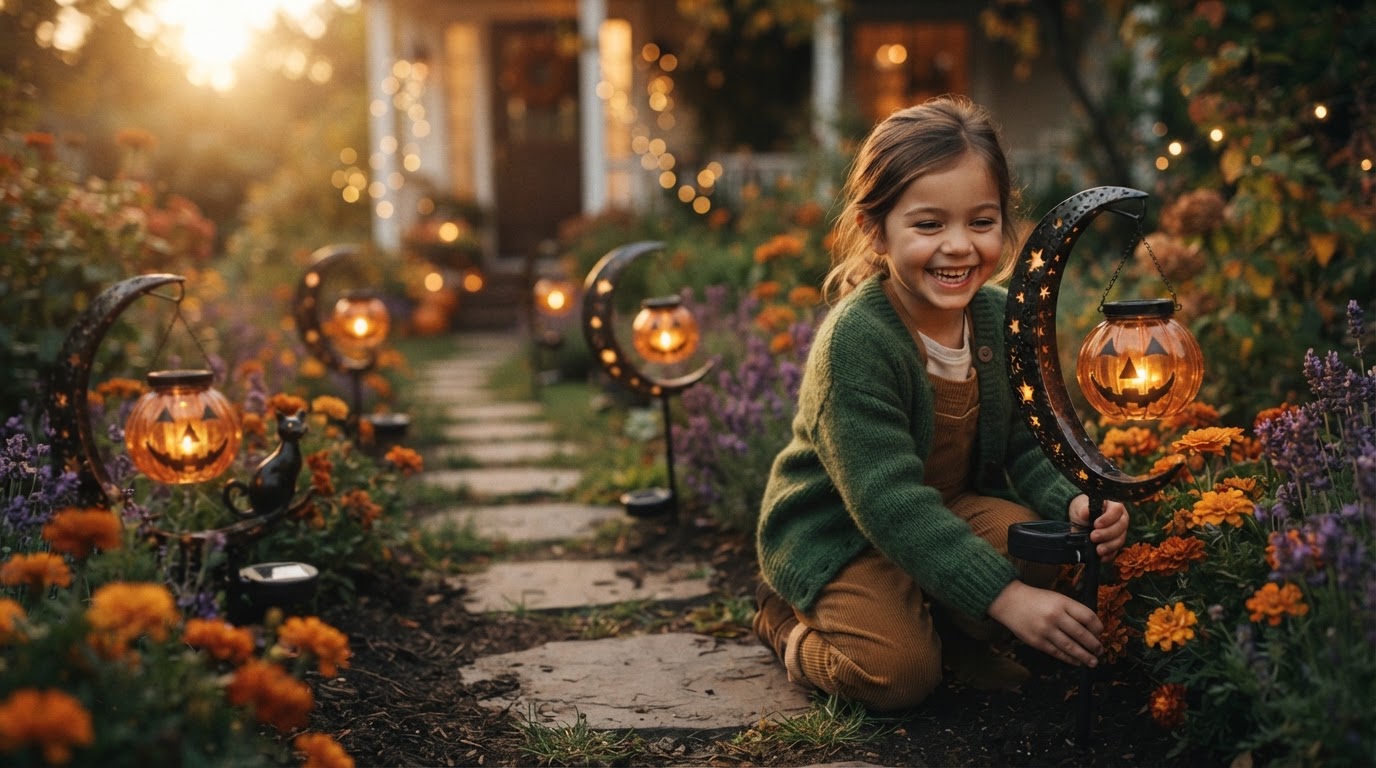
Solar Meow Decor Light Integration for Garden Pathways
 Maya ChenContributing Editor
October 1, 2026. This analysis evaluates the functional efficacy of Solar Meow Decor Light units within modern residential landscapes. It provides homeowners with a performance-based assessment of how these specialized luminaires serve both aesthetic and navigational purposes in outdoor settings.
The Technical Limitations of Standard Garden Ornamentation
The conventional wisdom says that garden statues are purely decorative, offering little in the way of utility once the sun sets. However, the market for integrated lighting has shifted toward multi-functional sculptures that attempt to bridge the gap between art and infrastructure. Most consumers prioritize visual appeal, often ignoring the specific lumen output or the photovoltaic conversion rates required to sustain illumination through the early morning hours. According to Nature's Solar Lights, high-quality solar cat statues often reach heights of 16 inches and utilize materials like rustic brown metal and PVC to withstand environmental stressors. The problem persists when these units are treated as mere trinkets rather than electrical components. Run the math: a standard small-scale solar panel requires approximately six to eight hours of direct sunlight to provide a consistent six-hour discharge. When placed in shaded areas or under dense foliage, these units fail to meet basic visibility requirements, leading to a fragmented lighting scheme that compromises yard safety. Homeowners frequently struggle with the "dead zone" effect, where sporadic placement of low-output lights creates high-contrast shadows that increase trip hazards rather than mitigating them. While many look for outdoor solar cat lights for yard to solve these issues, the success of the installation depends entirely on the hardware's ability to store energy efficiently in suboptimal conditions.
Engineering the Solar Meow Decor Light Experience
Solar Meow Decor Light addresses the common failure points of generic garden lighting by focusing on high-density resin construction and optimized solar cell placement. Unlike the flimsy plastic alternatives found in big-box retail, these units are weighted to prevent wind displacement while maintaining a weather-resistant seal for the internal battery compartment. Here's the part nobody talks about: the longevity of a solar light is dictated by the quality of its rechargeable cell, not just the brightness of the LED. The Solar Meow Decor Light utilizes a high-efficiency circuitry path that maximizes the energy harvest during daylight hours, even in regions with intermittent cloud cover. This is critical when planning outdoor solar cat lights for yard layouts, as it allows for more flexible placement further away from direct southern exposure. The light emitted is calibrated to a warm temperature, avoiding the harsh blue glare associated with cheap, unbranded components. By integrating the light source into the feline silhouette, the brand ensures that the illumination is diffused, reducing glare for both humans and local nocturnal wildlife. This design philosophy aligns with the need for reliable outdoor solar cat lights for yard that function as consistent markers for walkways. Furthermore, the use of durable materials ensures that the aesthetic finish does not degrade under UV exposure, a common issue cited in reviews of lower-tier products. When evaluating outdoor solar cat lights for yard, the durability of the Solar Meow Decor Light stands as a necessary benchmark for the category.
Strategic Implementation and Decision Framework
Selecting a lighting solution requires a move away from impulse purchasing toward a structured assessment of the yard's microclimate and traffic patterns. It is not enough to simply place a light where it looks good; one must account for the seasonal shift in solar angles and the growth of surrounding vegetation that may eventually obstruct the panels. When integrating outdoor solar cat lights for yard, the focus should remain on the hardware's capacity for sustained performance. As noted by Christmas Tree Hill, quality solar-powered garden statues should eliminate the need for outlets, cords, or external batteries entirely, relying solely on the power of the sun to cast a reliable glow. I’ll change my mind when I see a corded decorative light provide the same level of versatility in a large-scale landscape design. Before finalizing a purchase, consumers should verify the following technical and environmental factors:
- Assess the total daily direct sunlight exposure at the intended installation site to ensure at least 6 hours of charging.
- Verify the IP (Ingress Protection) rating or weather-resistance specifications to ensure the resin or metal housing can survive local precipitation levels.
- Determine the primary function: is the unit intended for ambient mood lighting or for illuminating a specific path edge?
- Measure the height of the unit to ensure it will not be obscured by grass or groundcover plants as they reach peak growth.
- Check the battery accessibility to ensure that the internal Ni-MH or Lithium-ion cell can be replaced after its natural lifecycle ends.
Sources
- Animal Shaped Solar Lights and Statues | Solar Animal Garden Lights
- Solar Garden Statue - Cat with Green Welcome Solar Light - 14in
- Solar-Powered Black Cat Garden Stake Light – Create a magical ...