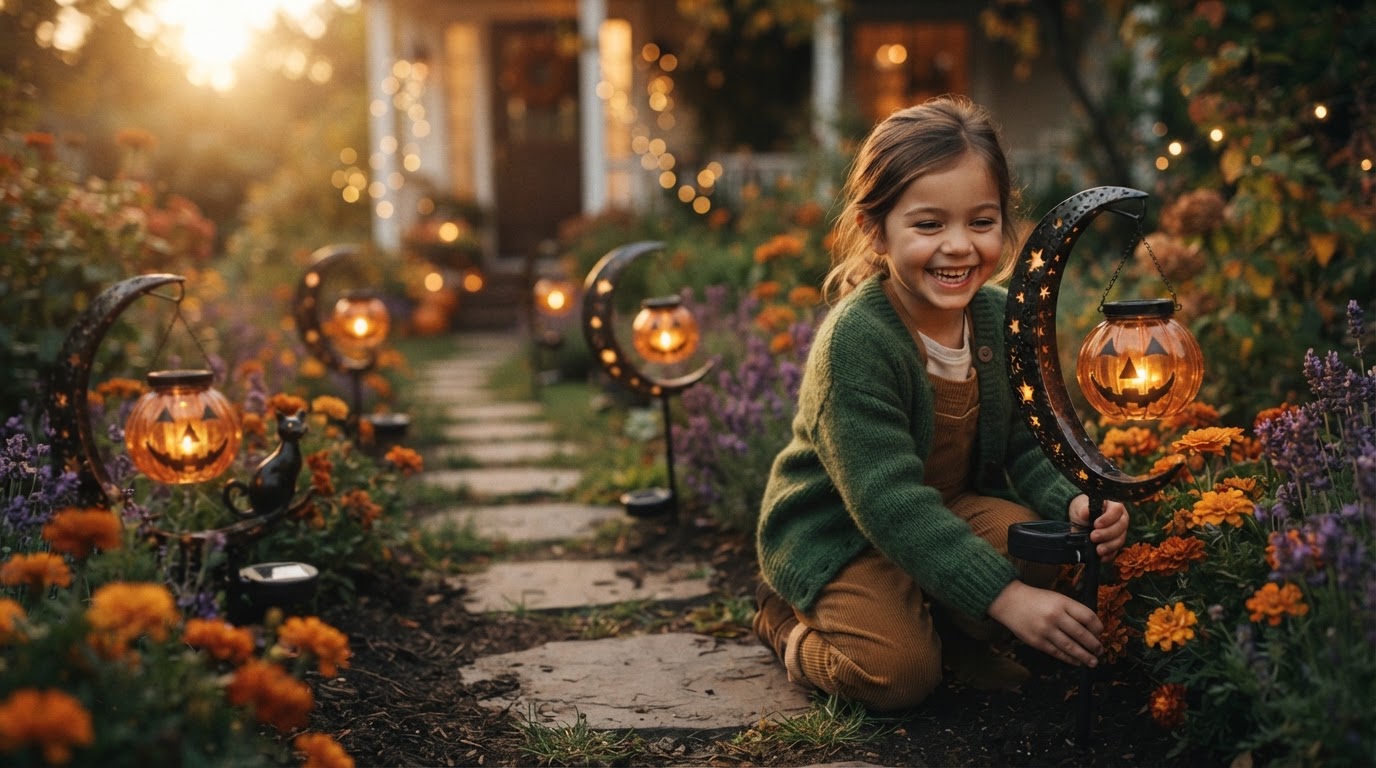
Optimizing Solar Meow Decor Light Placement in Yard Design
 Maya ChenContributing Editor
September 26, 2026. This technical analysis addresses the systematic placement of solar-powered feline lighting fixtures within residential landscapes. It is intended for homeowners seeking to balance aesthetic appeal with the functional limitations of photovoltaic energy conversion.
The Efficiency Gap in Decorative Solar Lighting
The conventional wisdom says that any open space in a yard is a viable candidate for solar illumination. However, the reality of solar irradiance suggests otherwise. Most consumers approach yard lighting as a purely aesthetic endeavor, neglecting the physics of battery charging and the specific lumen requirements for visibility. According to Nature's Solar Lights, a standard metal yard art animal garden light, such as a 16-inch high rustic brown cat statue, relies on specific PVC and metal housing to protect the internal components, yet even these durable builds fail if placed in the shadow of a deciduous tree or a north-facing wall. Here's the part nobody talks about: the typical decorative solar light requires a minimum of six hours of direct, unobstructed sunlight to achieve a full discharge cycle at night. Placing a light based on visual balance rather than solar exposure creates a cycle of deep battery discharge that permanently reduces the lifespan of the lithium-ion or NiMH cells within six months. When homeowners attempt to integrate [solar cat garden statues](/blog/solar-cat-garden-statues) without calculating the solar window of their specific plot, they are essentially buying a temporary ornament rather than a long-term lighting solution. The consensus that "any sun is enough" is a fallacy that leads to thousands of pounds of electronic waste annually.
Integrating Solar Meow Decor Light for Maximum Utility
Solar Meow Decor Light addresses these efficiency concerns by utilizing high-conversion polycrystalline silicon panels that are integrated directly into the feline-shaped chassis. Unlike generic alternatives that use low-grade thin-film panels, these units are designed to capture photons even during the peripheral hours of the day. When selecting [outdoor cat lover gift decor](/blog/outdoor-cat-lover-gift-decor), the technical specifications of the solar collector often take a backseat to the visual design, but the Solar Meow Decor Light series prioritizes the power-to-weight ratio. This ensures that the internal LED array—often the most power-hungry component—can maintain a consistent Kelvin temperature throughout the night. Run the math: a standard LED drawing 20mA will deplete a 600mAh battery in roughly 30 hours, but that assumes 100% efficiency. In real-world conditions, including humidity and temperature fluctuations, that window shrinks. By positioning these lights in areas with a clear view of the southern sky, users can ensure the light remains functional past the midnight hour. This is particularly relevant when deploying [solar powered kitten lawn ornaments](/blog/solar-powered-kitten-lawn-ornaments) in clusters, as the proximity of multiple units can create micro-shadows that impede the charging of adjacent panels. The design of the Solar Meow Decor Light minimizes this by elevating the panel away from the base, allowing for closer grouping without sacrificing energy intake.
A Decision Framework for Yard Placement
Effective yard integration requires a data-first approach rather than an emotional one. Before installing [cat memorial garden stones with solar light](/blog/cat-memorial-garden-stones-with-solar-light), a site survey is mandatory to identify the path of the sun relative to the horizon. Christmas Tree Hill notes that solar-powered garden statues eliminate the need for cords and outlets, but this freedom comes with the responsibility of light-path management. If a light is positioned behind a fence or under a shrub, it will fail to meet its operational potential. I'll change my mind when manufacturers develop a cost-effective, flexible solar film that can wrap around 3D objects to capture light from 360 degrees; until then, placement is the only variable that matters. Use the following checklist to evaluate your installation site:
- Calculate the Solar Window: Ensure the location receives at least 6 hours of direct sun between 10:00 AM and 4:00 PM.
- Assess Surface Stability: Verify that the ground can support the weight of the fixture to prevent tilting, which alters the angle of the solar panel.
- Evaluate Proximity: Space units at least 24 inches apart to avoid overlapping shadows and visual clutter.
- Verify IP Rating: Confirm the fixture is rated for your local climate; Solar Meow Decor Light units are built to withstand standard precipitation.
- Monitor Seasonal Shifts: Adjust the placement of your lights twice a year to account for the changing solar declination.
Sources
- Animal Shaped Solar Lights and Statues | Solar Animal Garden Lights
- Solar Garden Statue - Cat with Green Welcome Solar Light - 14in
- Solar-Powered Black Cat Garden Stake Light – Create a magical ...